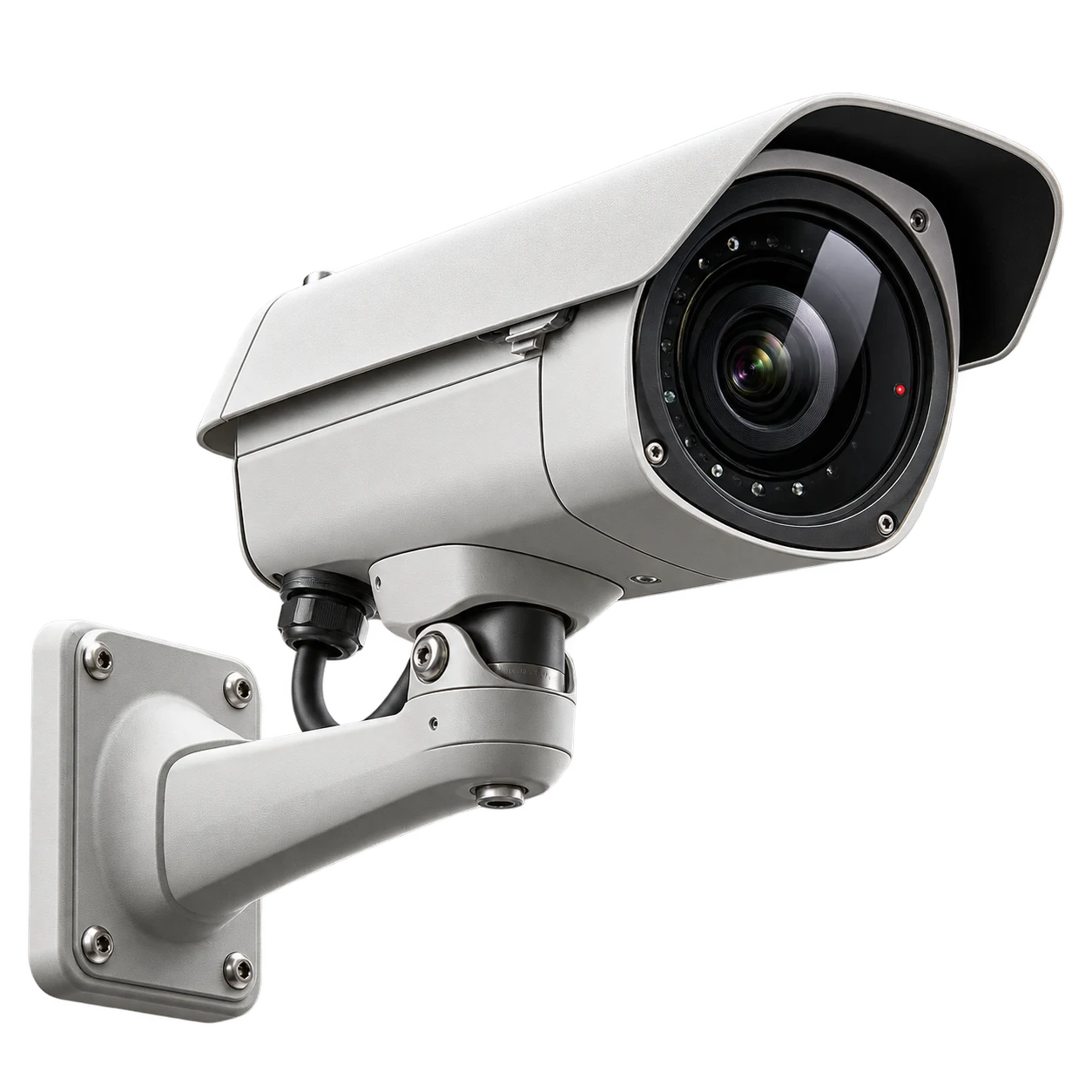
Coverage
What must be identified, from what distance and under which conditions.
CCTV · VMS · Analytics
CCTV design based on coverage goals, lighting, recording, permissions and the required response to an event.
The system problem
Entry points, perimeter, parking, lighting and event scenarios define coverage before camera, lens, network, recording and response are selected.
Design decisions
What must be identified, from what distance and under which conditions.
How video moves, is retained and remains accessible to authorized users.
Who receives an event and how observation becomes action.
Delivery path
Map the existing environment, constraints and failure points.
Define architecture, coverage, capacity, permissions and scenarios.
Install, label, test and integrate against the approved plan.
Deliver system records, training and a clear lifecycle plan.
Handover
Exact deliverables depend on scope. These are the questions worth closing early.
From the field
Examples from completed field work. Scope, equipment and installation methods are selected separately for each site.
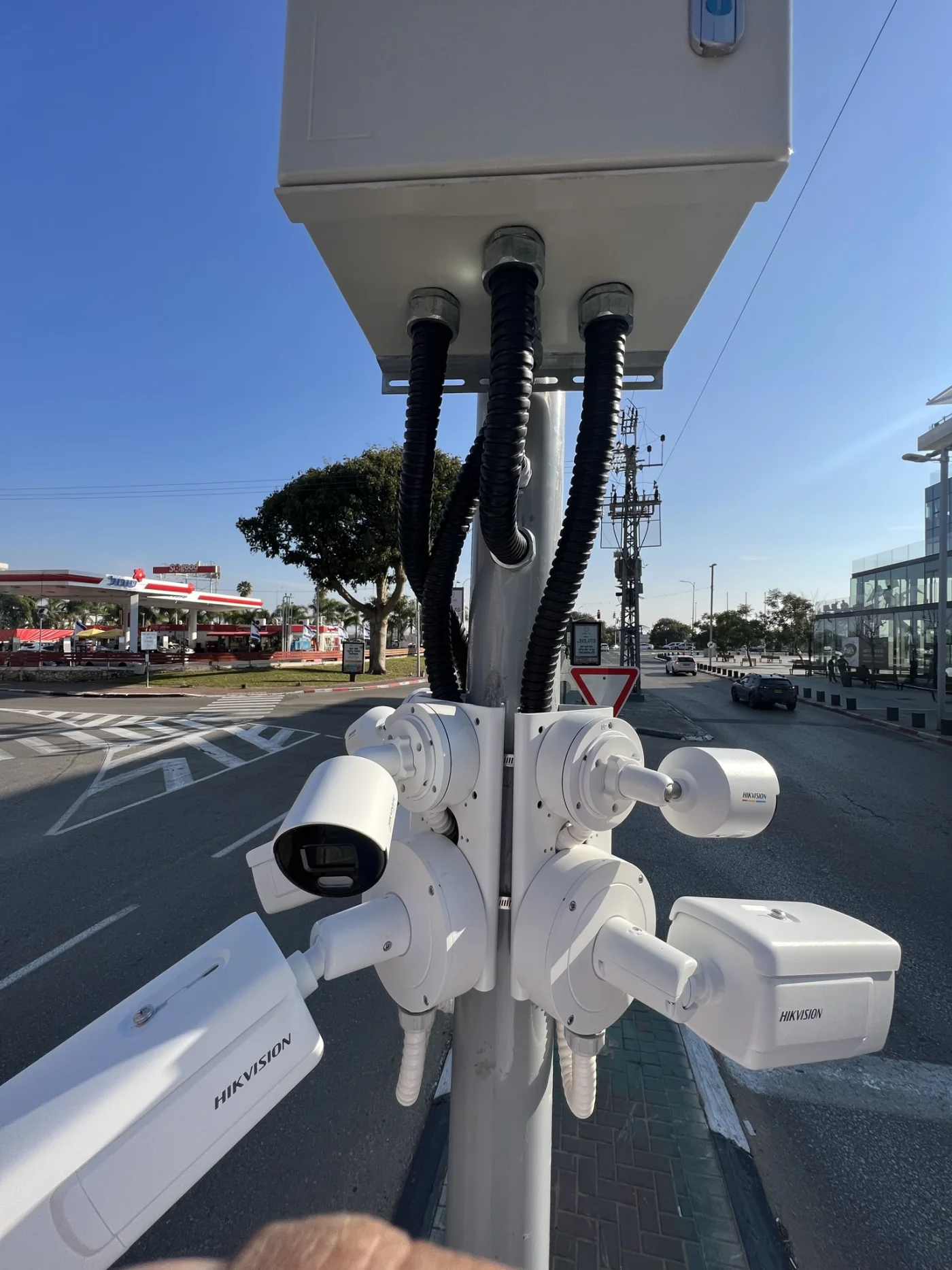
Several viewing angles on one field pole, with protected feeds and connectivity to the control system.
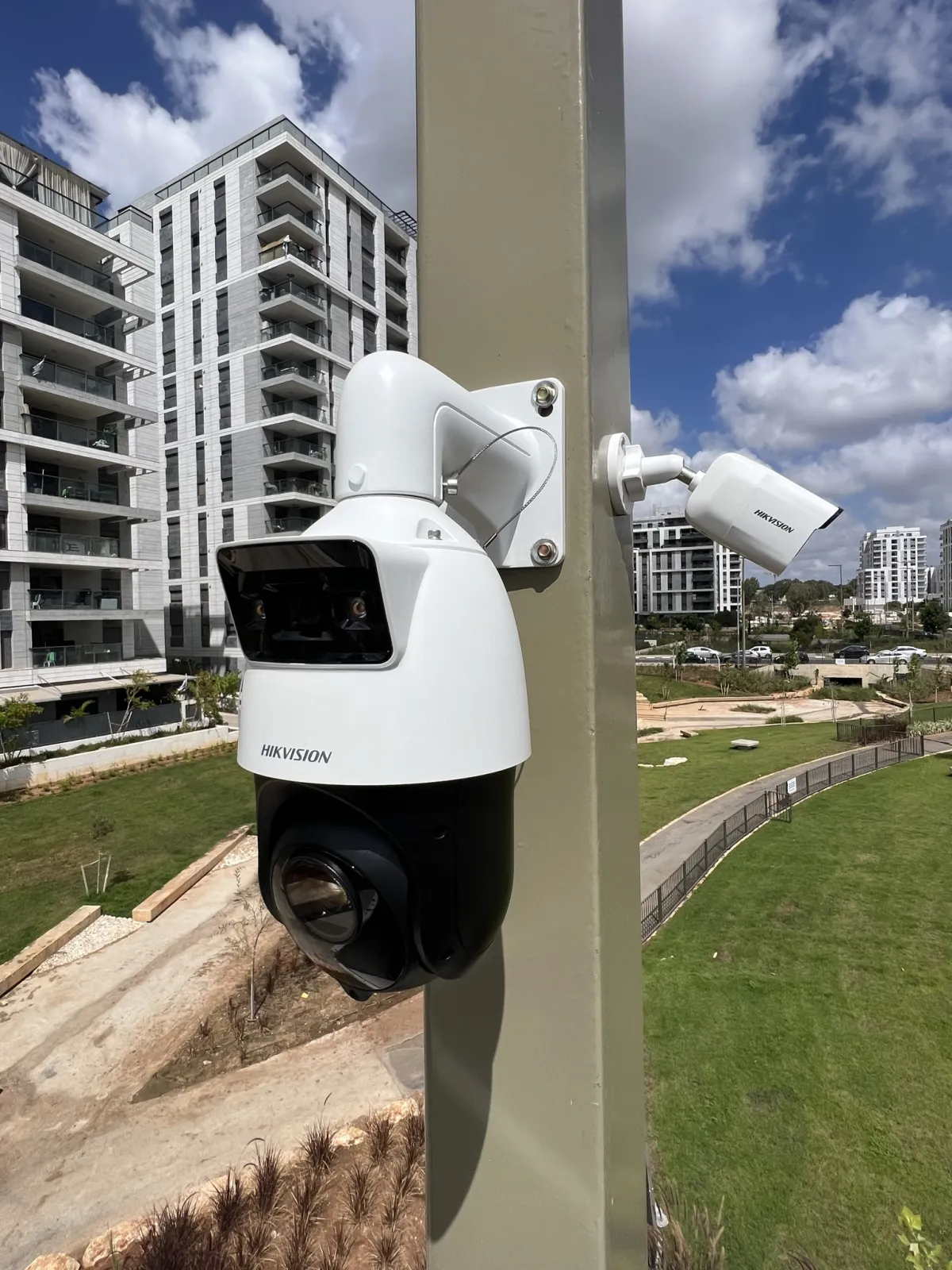
A PTZ camera and a fixed camera share protected infrastructure for wide-area observation and close verification.
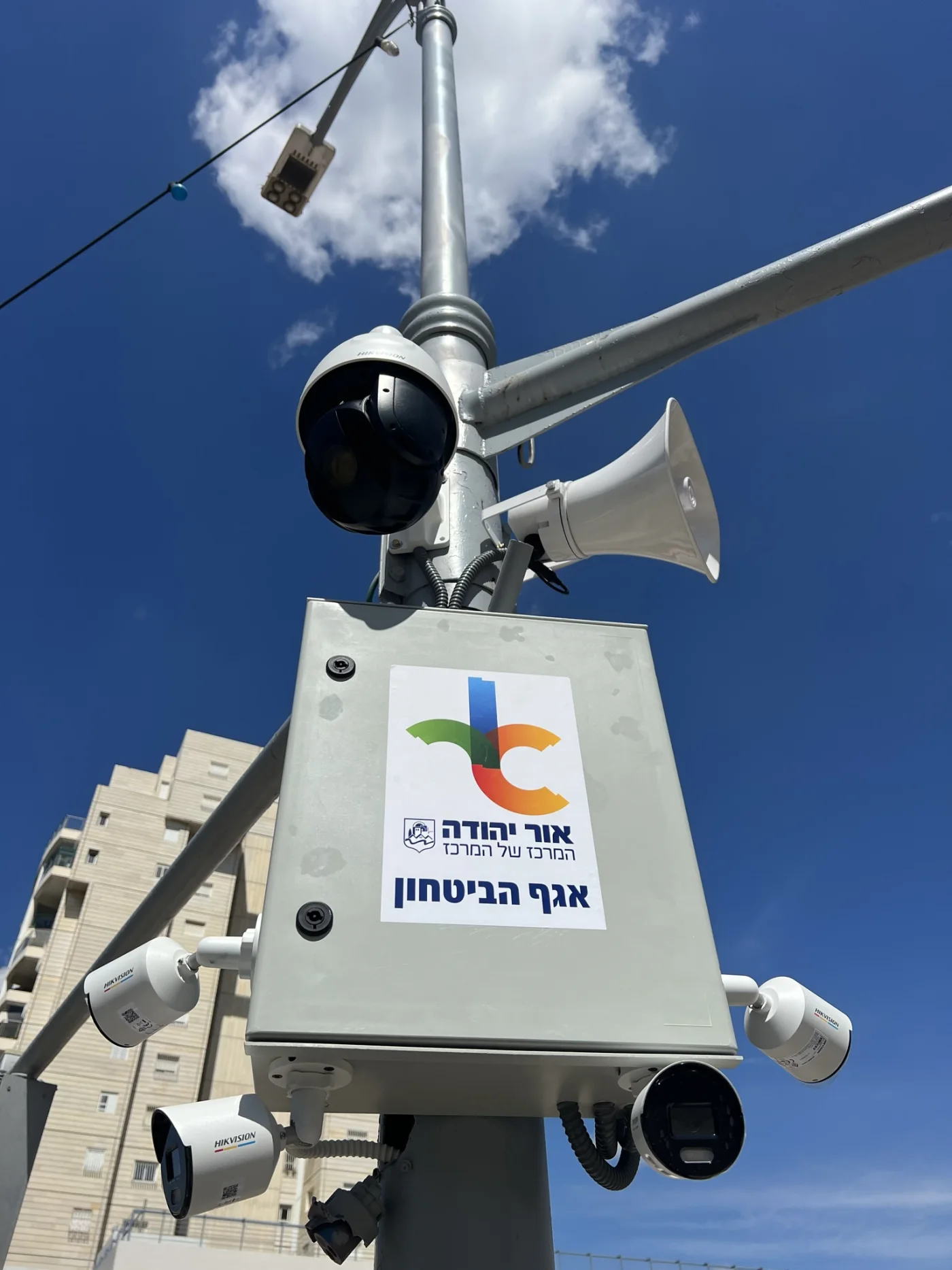
Cameras, public address and a field cabinet combined at one point as part of a connected municipal system.
Original field photography: NIKOTECH Communications Infrastructure Ltd.
Questions before a decision
The number follows objectives, geometry and lighting. A coverage survey comes before the equipment list.
No. Analytics is useful only with a clear scenario, suitable images and a defined response process.
Map the next step