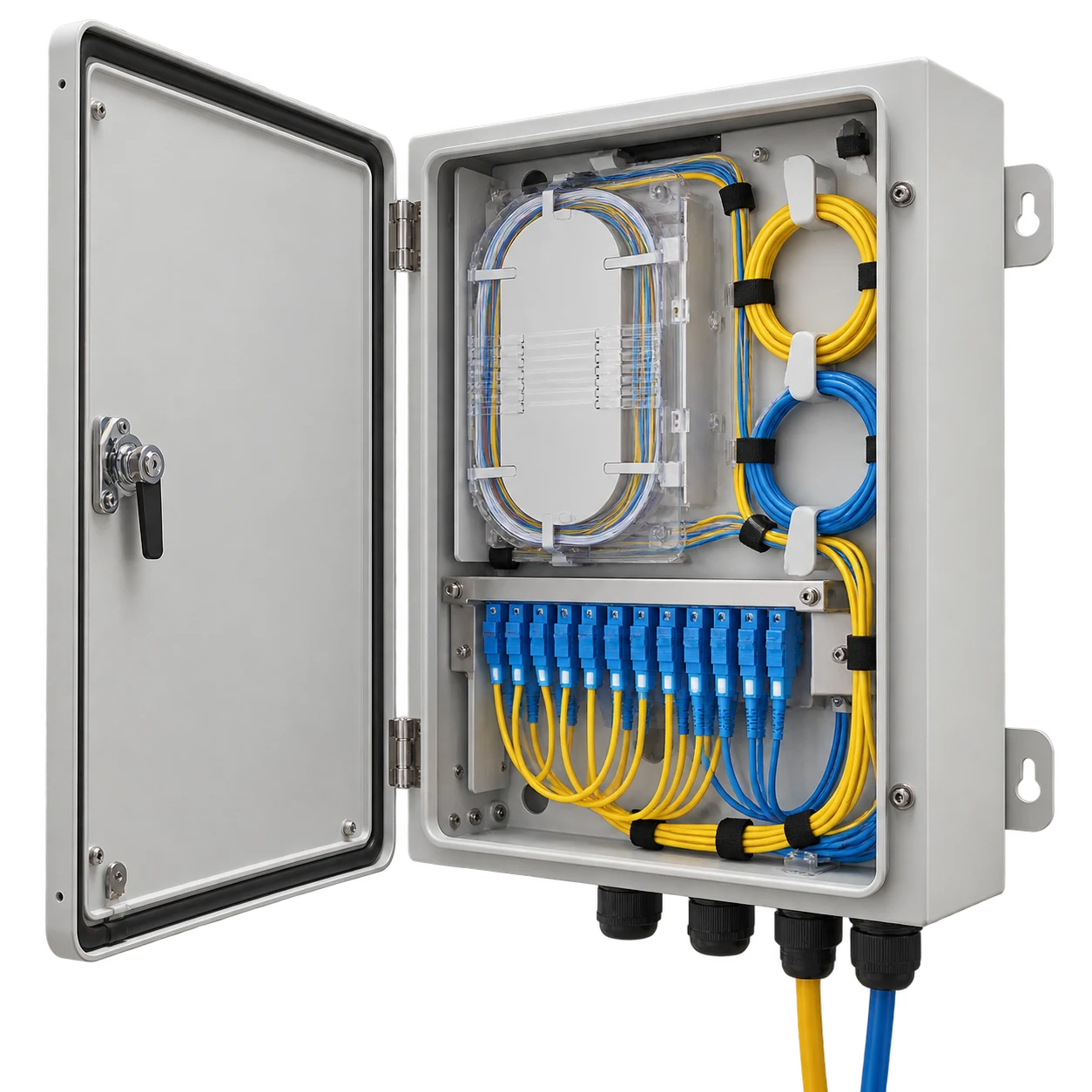
Route and capacity
Map endpoints, lengths, resilience and growth before deployment.
Copper · Fiber · OTDR
Copper and fibre cabling, communications cabinets, routes, labelling and testing for infrastructure that can be maintained and expanded.
The system problem
Routes, distances, interference, cabinets, endpoints and future capacity must form one plan that can be tested and maintained.
Design decisions
Map endpoints, lengths, resilience and growth before deployment.
Distance, environment, bandwidth and endpoints shape the choice.
Labelling and order make the network understandable later.
Delivery path
Map the existing environment, constraints and failure points.
Define architecture, coverage, capacity, permissions and scenarios.
Install, label, test and integrate against the approved plan.
Deliver system records, training and a clear lifecycle plan.
Handover
Tests and records depend on project scope and agreed requirements.
From the field
Examples from completed field work. Scope, equipment and installation methods are selected separately for each site.
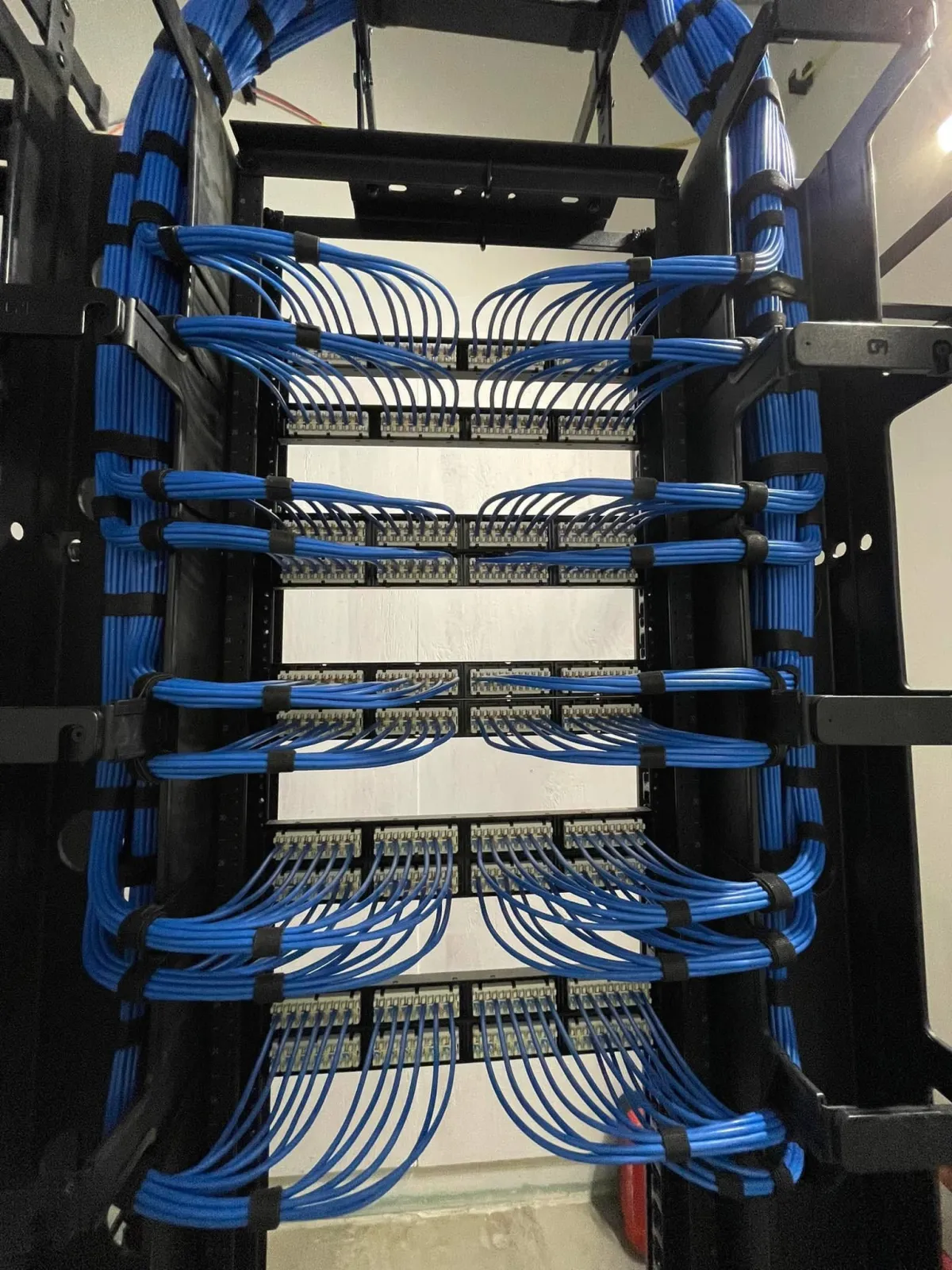
Orderly routing and fastening make faults easier to trace and future changes easier to perform.
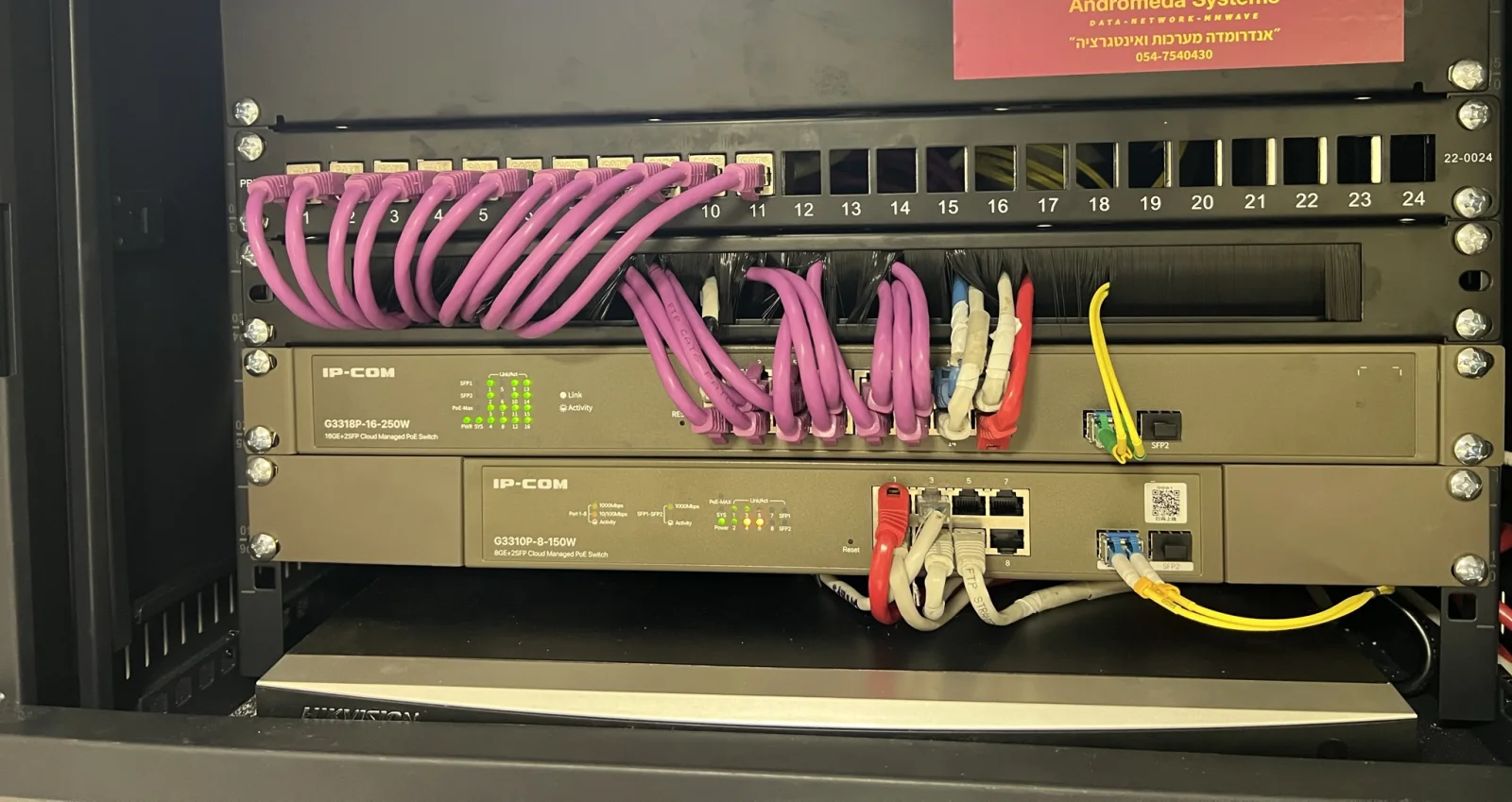
Switching, fibre and copper connections are arranged in one rack with clear routes and practical maintenance access.
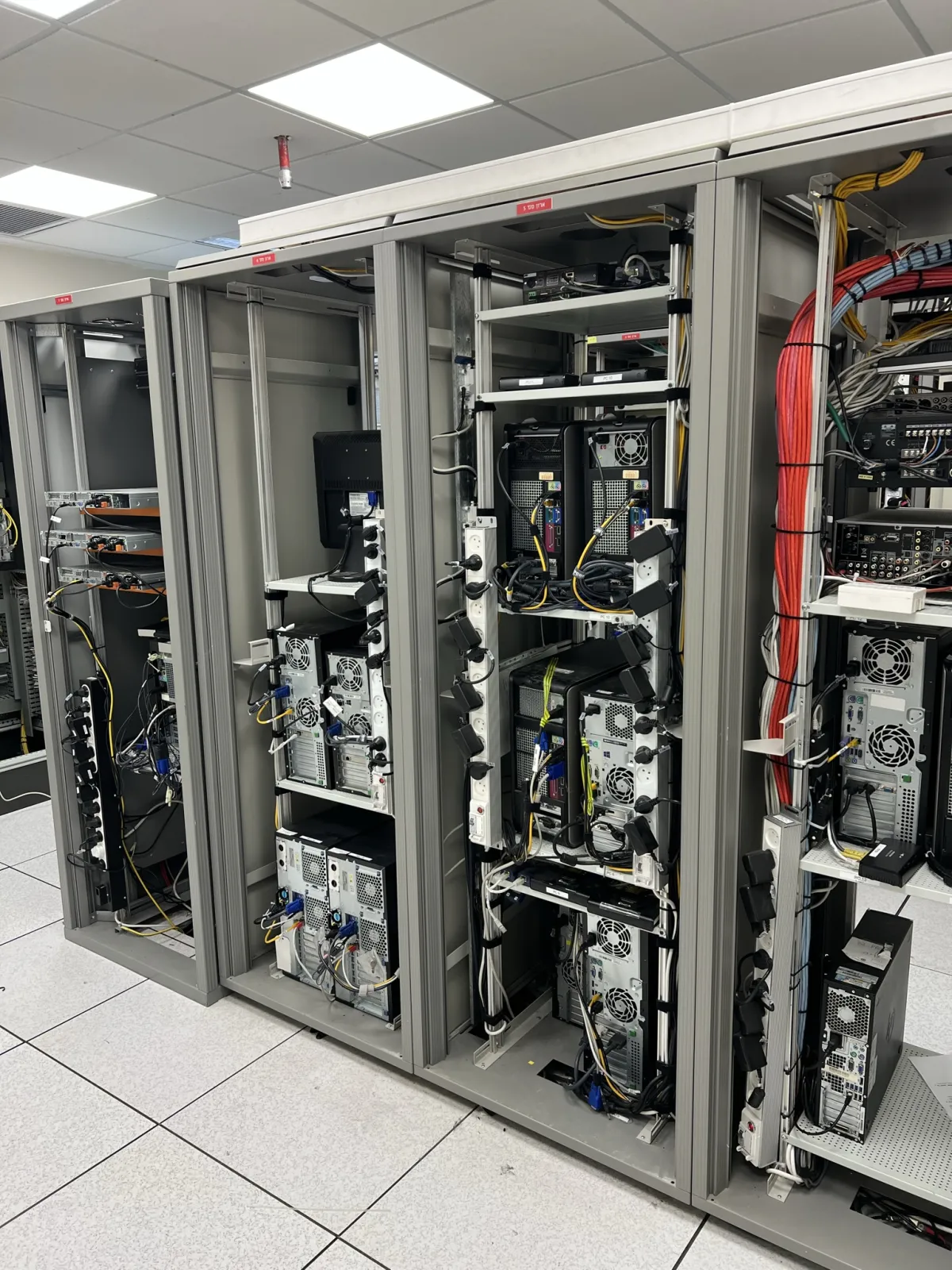
Equipment, power feeds and communications lines arranged for routine inspection and service access.
Original field photography: NIKOTECH Communications Infrastructure Ltd.
Questions before a decision
Distance, equipment, environment, budget and future capacity determine the answer.
When evidence of agreed link performance is needed. The test method must be defined in advance.
Map the next step